Busitema University is stepping up efforts to promote sustainable waste management, with a field-based initiative bringing together students, staff, communities and private-sector innovators to explore practical solutions to Uganda’s growing solid-waste challenges.
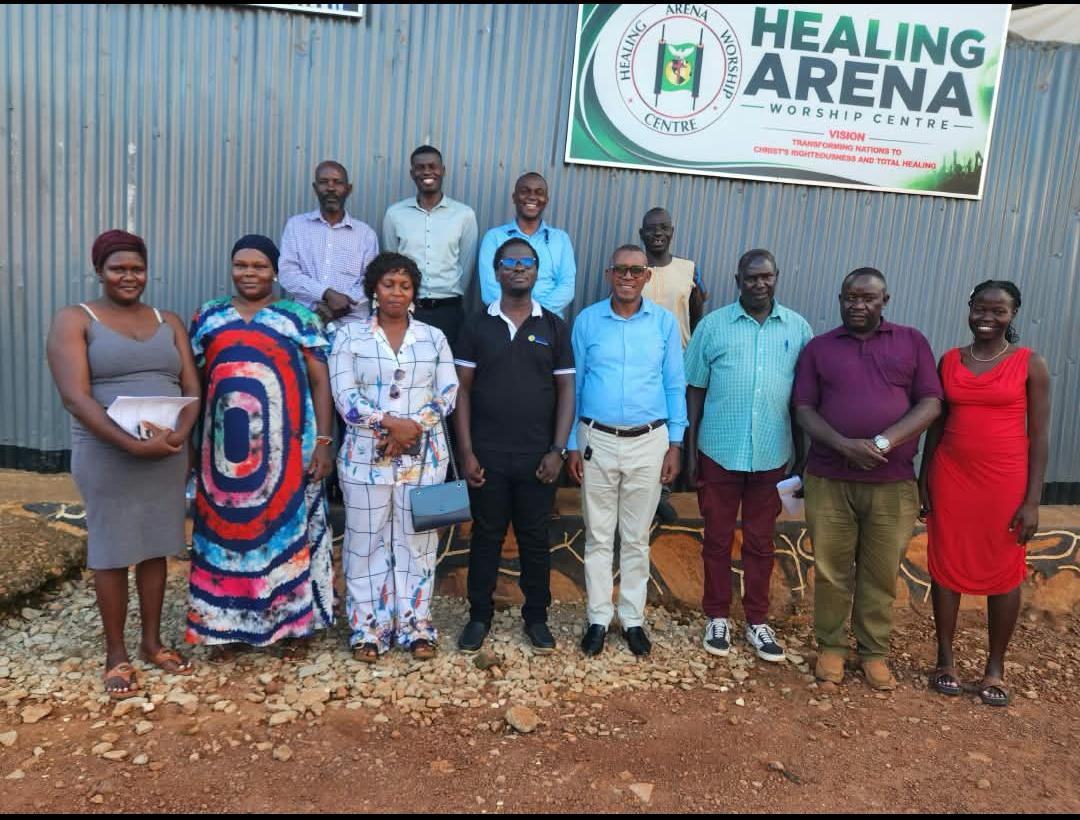
On 14 October 2026, students and staff from the Department of Water Resources Engineering visited Wabigalo, Kampala, and HomeKlin Uganda Ltd. as part of an initiative to explore innovative approaches to waste management and resource recovery.
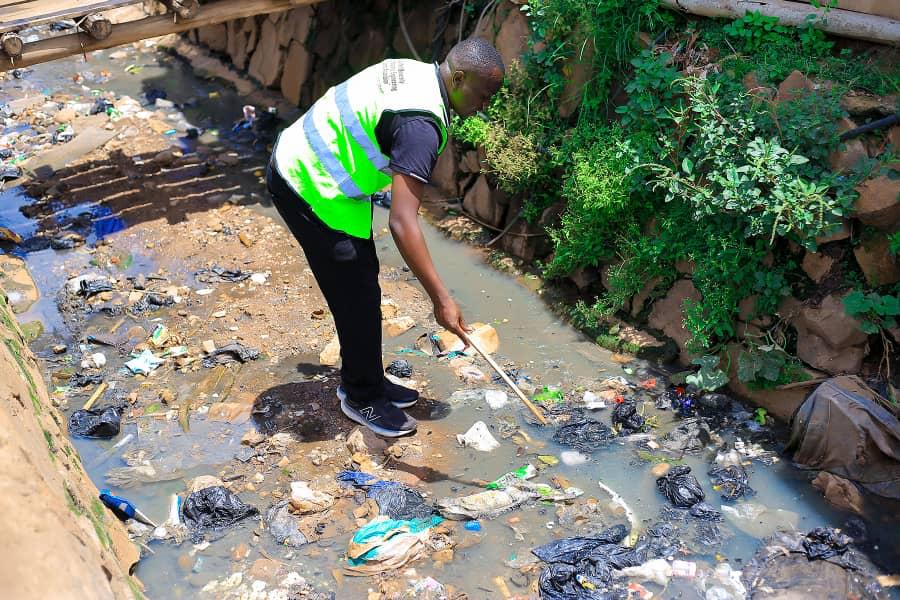
The visit supports the Department’s broader vision to transform Wabigalo into a living laboratory for sustainable solid-waste management, a real-world setting where research, community engagement, and innovation can come together to address pressing environmental and sanitation challenges. At Wabigalo, the team had an opportunity to engage with the realities of waste management at the community level, gaining practical insights into the challenges associated with waste generation, collection, handling, and disposal.
The initiative goes beyond identifying challenges. It seeks to develop solutions that can be tested and refined in collaboration with the communities that experience waste-management problems firsthand.
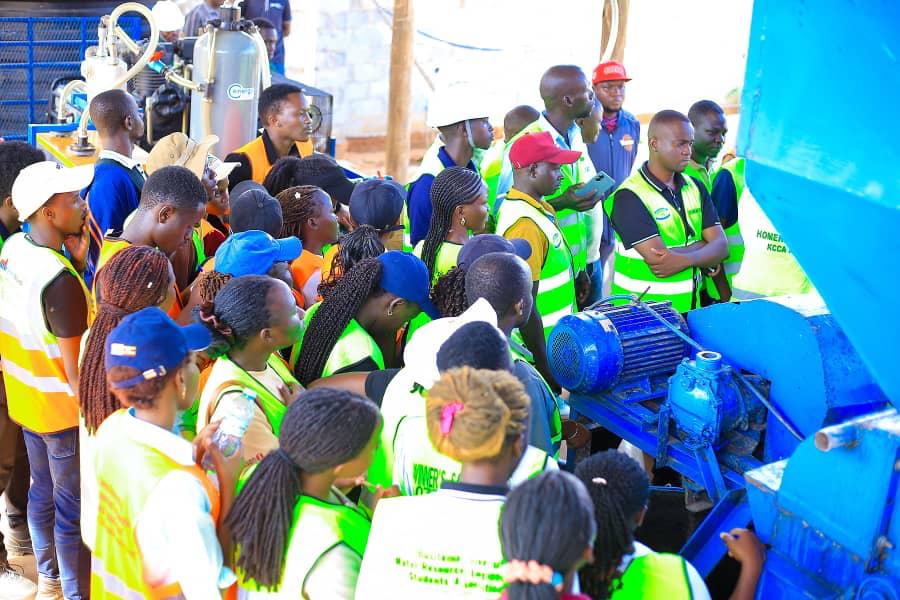
A key component of the field visit was an engagement with HomeKlin Uganda Ltd., where the university team explored waste-to-resource technologies designed to convert organic waste into useful products.
The company’s technologies include the production of biogas and liquid organic fertilizer, demonstrating how waste that would otherwise contribute to environmental pollution can be recovered and transformed into valuable resources.
For Busitema University, the engagement presents an opportunity to strengthen collaboration between academia and industry while exposing students to practical technologies that support sustainable development.
The proposed partnership with HomeKlin Uganda is expected to focus on waste recovery, improved sanitation and the advancement of a circular economy, in which resources are recovered, reused and kept in productive use for as long as possible.
The field visit also highlights the Department of Water Resources Engineering’s commitment to taking learning and research beyond the classroom.
By using Wabigalo as a potential living laboratory, students and researchers can engage directly with real-world environmental challenges while communities benefit from research-driven approaches to waste management. Such an approach could provide a platform for testing technologies, generating local knowledge and developing solutions that are responsive to the needs of urban communities.